OSS Provisioning Architectures for Modern Service Providers
Unified OSS data models, not AI models, determine whether telecom provisioning actually works.
Talia Costa
Section
15 stories in AI-Native OSS Architecture.
Unified OSS data models, not AI models, determine whether telecom provisioning actually works.
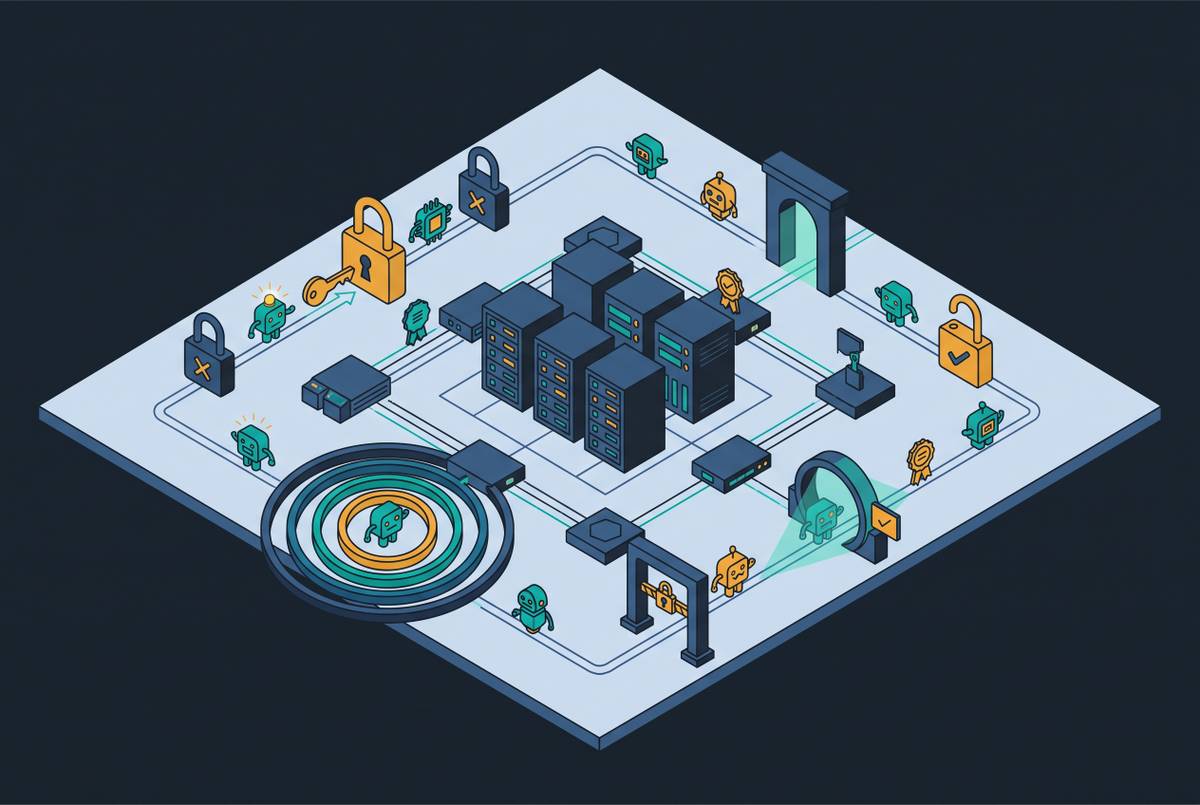
Agents need distinct identities and scoped access, not broad service accounts.
Regulators and telecom operators demand audit trails that standard network logs cannot provide.
Customers expect self-service portals to work, but fragmented back-end systems make them fail.
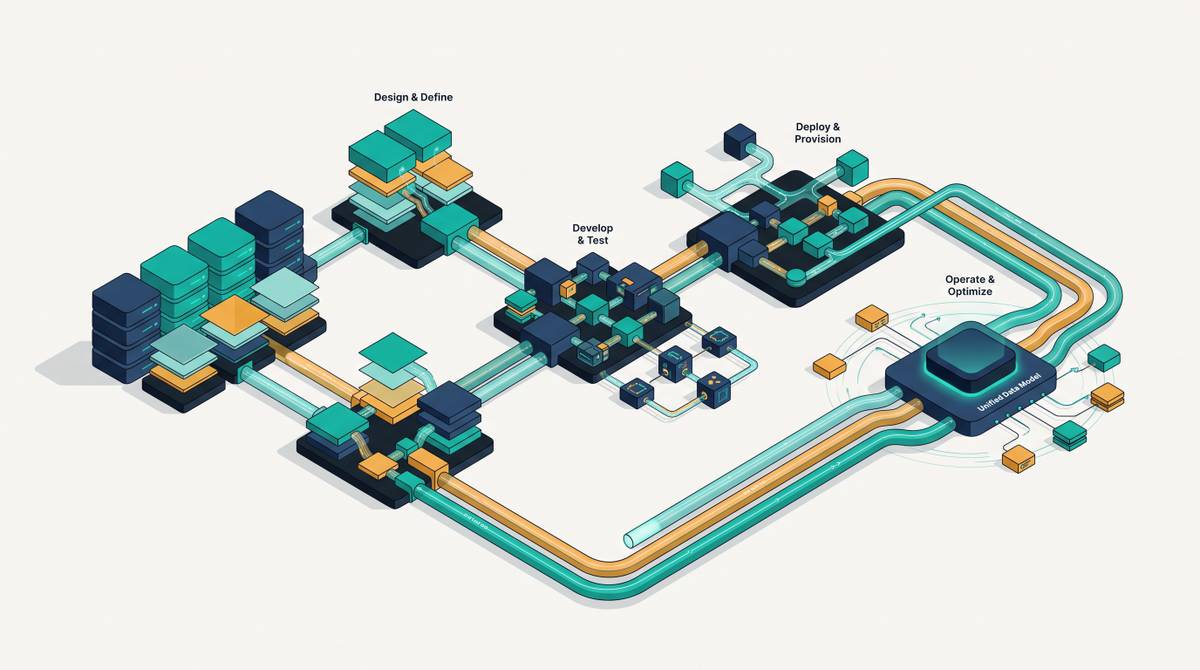
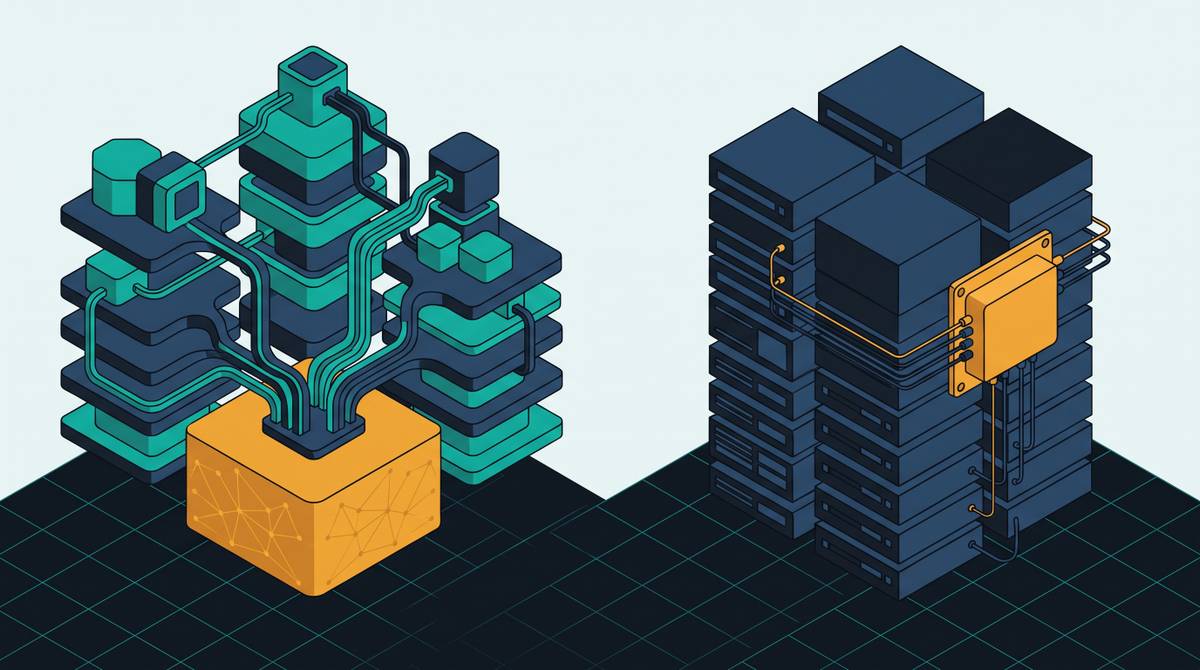
Unified data models eliminate configuration drift and enable reliable autonomous provisioning.
Unified data models are the foundation for AI agents to act reliably.
Legacy telecom systems can't govern the AI monitoring tools they're deploying.
AI agents need event-driven access and unified data that legacy systems cannot provide.
Agentic AI in telecom demands governance baked into system architecture, not bolted on afterward.
Unifying data across service stages eliminates costly handoff errors.
AI-native platforms eliminate data silos that inherently limit AI-augmented systems.
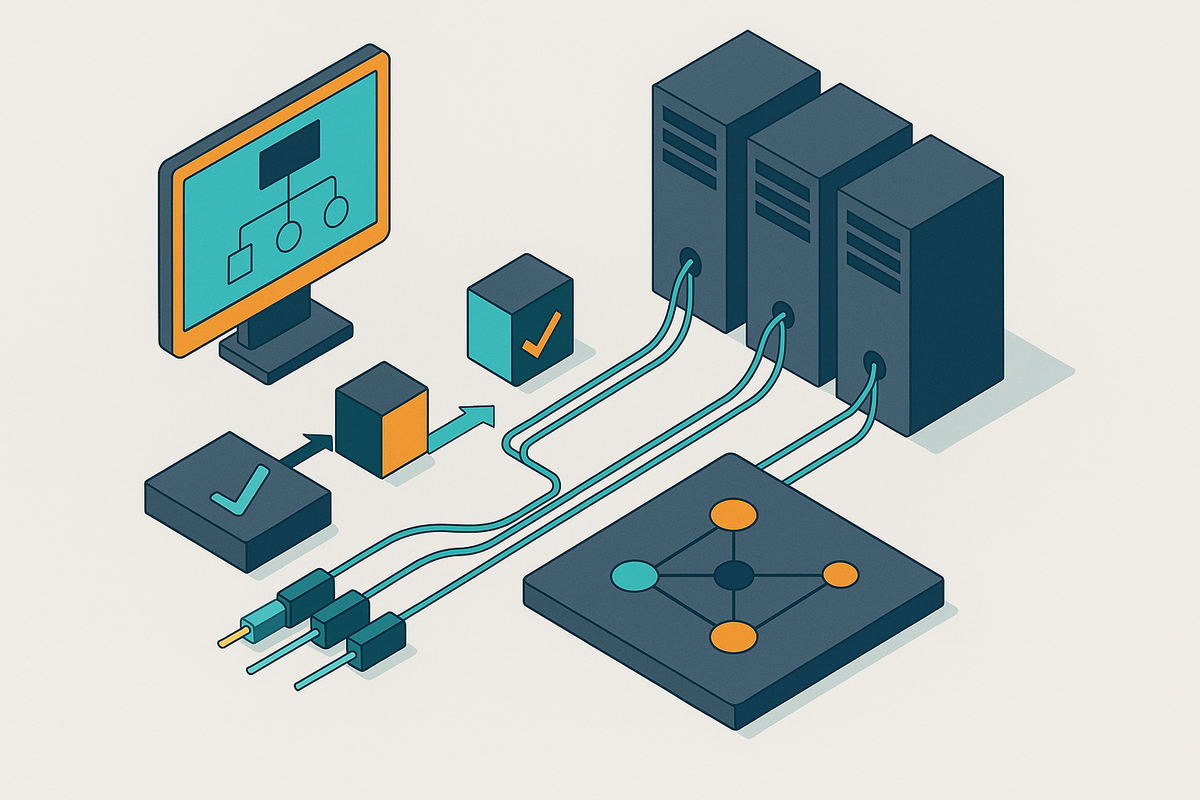
Automation that executes commands fails silently; systems that verify outcomes stay compliant.
Three interdependent layers translate business goals into automated network action.
How manual provisioning workflows break under fiber scale and why intent-based approaches fix it.
Intent-based networking replaces reactive firefighting with automated service assurance.