OSS Scalability Requirements for High-Growth FTTH Networks
Unified data and event-driven workflows let fiber networks handle FTTH provisioning at scale.
NetworkOSS Editors
Section
18 stories in Service Provider Strategy.
Unified data and event-driven workflows let fiber networks handle FTTH provisioning at scale.
Architecture and integration costs, not licensing fees, drive fiber OSS spending.
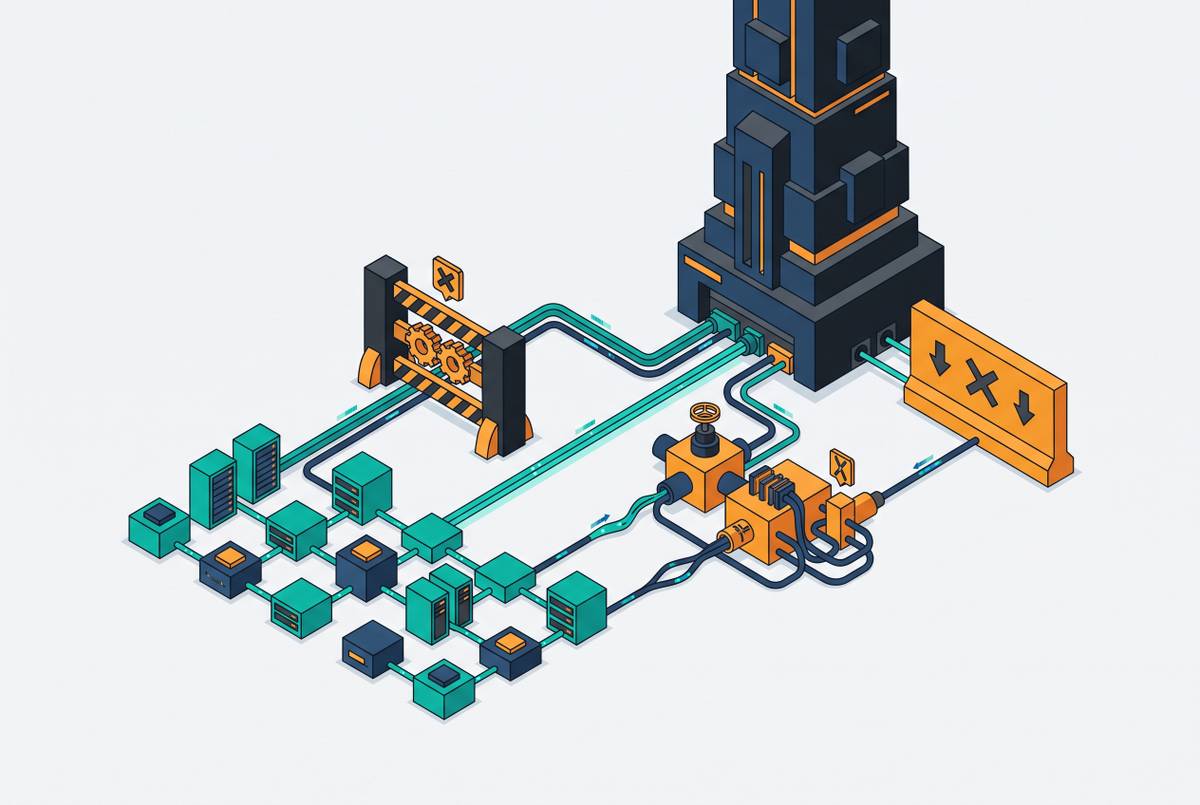
Proprietary APIs and closed data models make switching operationally impossible.
Unified data models close the gap between superior fiber networks and slower operational delivery.
Legacy OSS architecture, not AI models, determines how far telecom operators can advance.
Five OSS categories reveal where fiber operators actually lose business, not just network health.
Bad data derails AI agents far more often than bad models do.
MVNOs betting on host carriers' systems risk losing operational control as they scale.
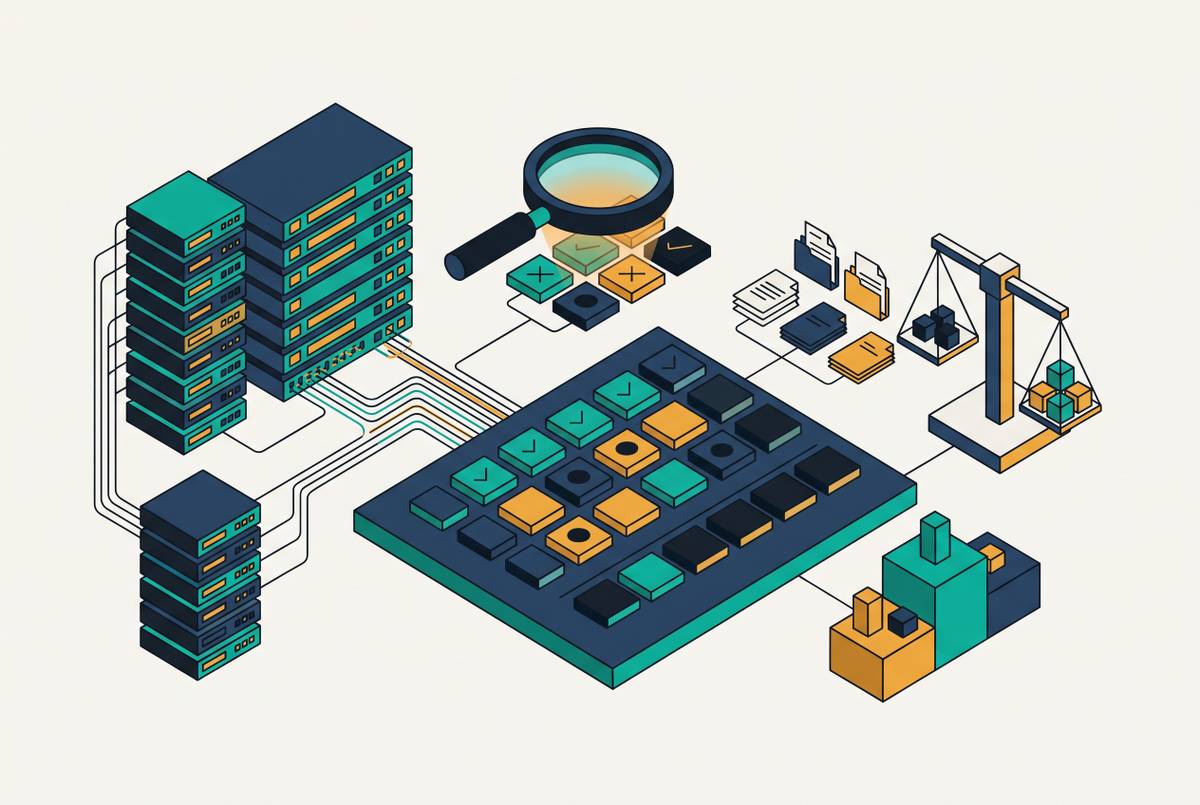
Unified data models and auditability across systems prevent revenue leaks and control AI risk.
Track KPIs across all five layers to catch revenue leaks and churn signals early.
Regulatory rollback and incumbent scale squeeze smaller carriers out of the market.
Operators need real AI-native architecture, not marketing-speak bolted onto legacy systems.
Ownership model determines operational architecture; get it wrong and no software fix survives.
Feature checklists hide architectural fragility in OSS procurement decisions.
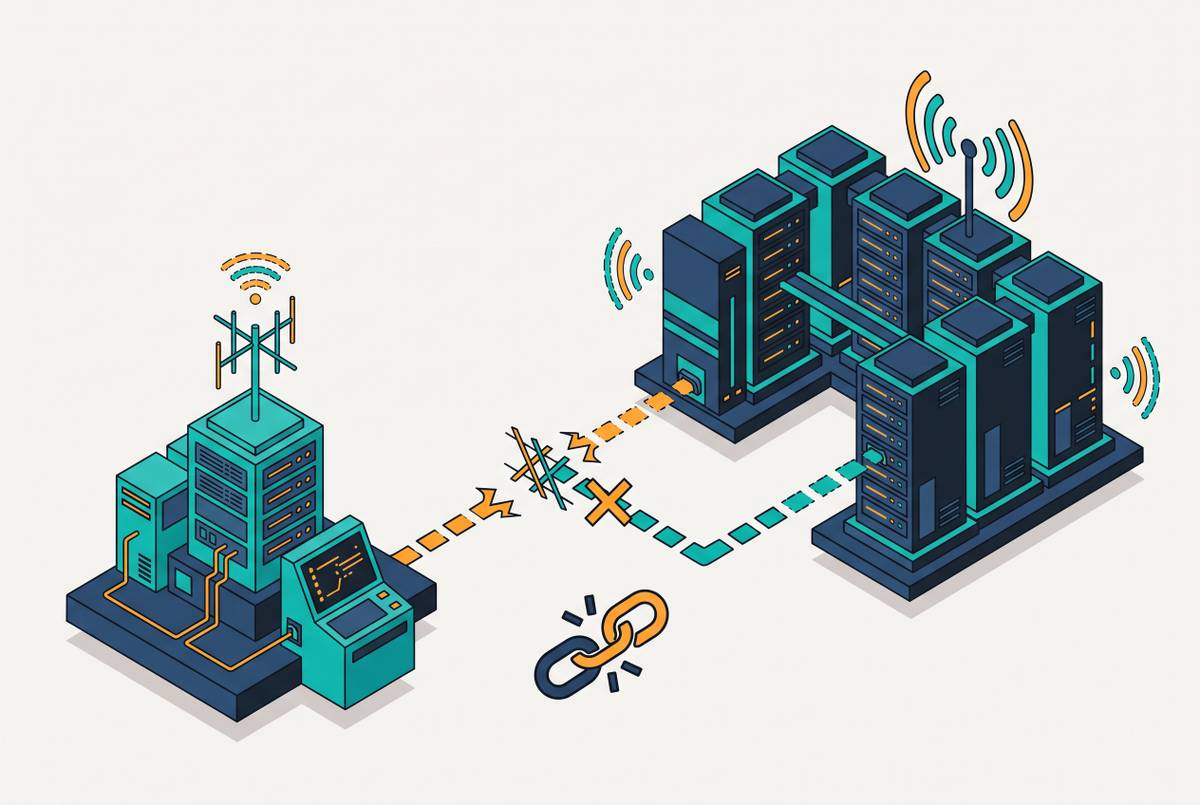
Billing delays from disconnected OSS systems quietly drain revenue at scale.
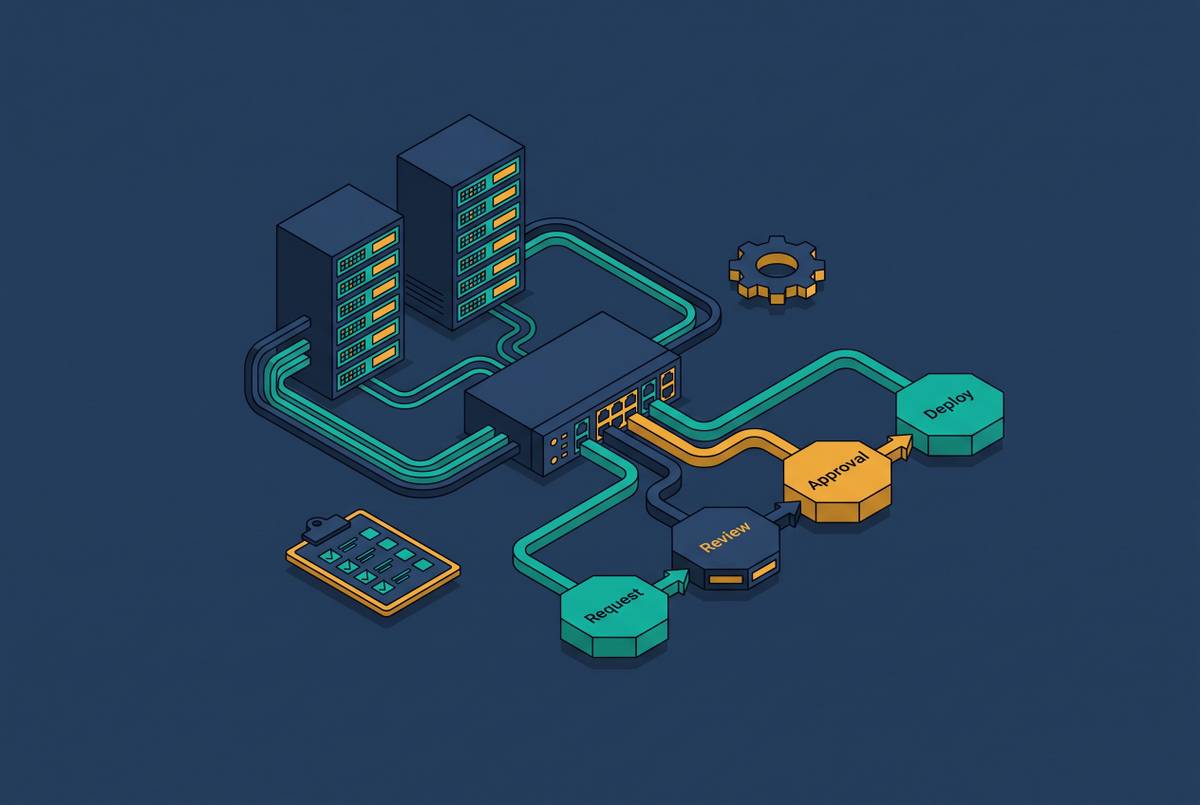
ITIL's change governance becomes the real lever for controlling OSS modernization risk.
AI agents need the same audit trails and data standards as human operators, not shadow layers.
OSS platforms now decide competitive advantage through how fast and reliably they deliver services.